




27 Jan 2026
For Help and Advice call: 01524 888453
Our blog12 Feb 2026
At Better Independent Living, our aim is to help you live with comfort, confidence and independence every day. Whether you’re dressing yourself, supporting a loved one, or planning a more comfortable wardrobe, adaptive clothing has the power to transform everyday routines, boosting dignity, reducing frustration, and making dressing easier for all abilities.
This guide explains what adaptive clothing is, key features to consider, and how it works in harmony with everyday dressing-aids we offer to give you the best possible experience.
Adaptive clothing refers to garments designed to be easier to put on, wear and take off, particularly for people with limited mobility, strength, dexterity or specific health needs. These design tweaks don’t make clothing look medical or ‘different’ - they simply make them easier to use without sacrificing comfort or style.
Think of adaptive clothing as a blend of function and fashion:
When choosing adaptive clothing, understanding common design features helps you find garments that truly work for your needs:
Soft, breathable materials with stretch prevent irritation and make pulling garments on and off easier. Look for fabrics that are forgiving and gentle on sensitive skin.
Magnetic fastenings, Velcro strips or poppers replace tiny buttons and small zips, ideal for those with limited hand strength or fine motor skills.
Elasticated waists and pull-on styles eliminate the need for tricky buttoning and make trousers and skirts much easier to manage.
Clothing designed with longer backs, relaxed fit or open-sides helps prevent bunching, especially for wheelchair users or those seated for long periods.
Open-back tops, wider necklines and side openings reduce the need to raise arms or pull garments over the head, great for those with limited shoulder movement.
Adaptive clothing shouldn’t look ‘clinical.’ Many brands focus on discreet adaptations, meaning the wearer looks and feels stylish while benefiting from genuinely thoughtful design.
Adaptive clothing isn’t just about convenience, it significantly enhances quality of life:
While we currently focus mainly on adaptive aids rather than fully adapted wardrobe pieces, we offer a range of solutions that complement adaptive clothing principles and make dressing easier, more comfortable, and more dignified:
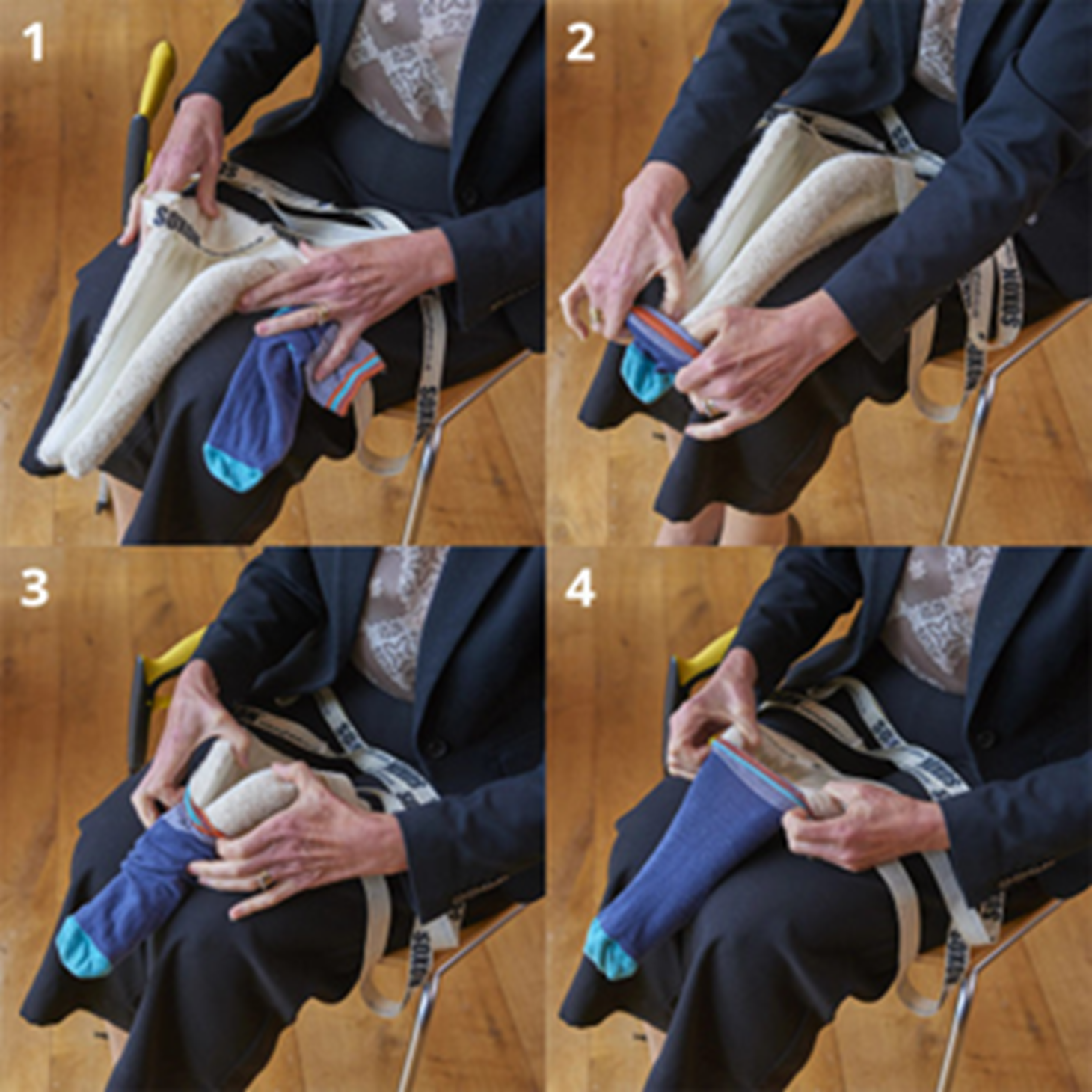
Our Comfort & Dressing Aids range includes tools that help with common dressing challenges: long shoehorns, sock aids, zip and button helpers and more. These clever helpers can make everyday dressing tasks easier and safer.
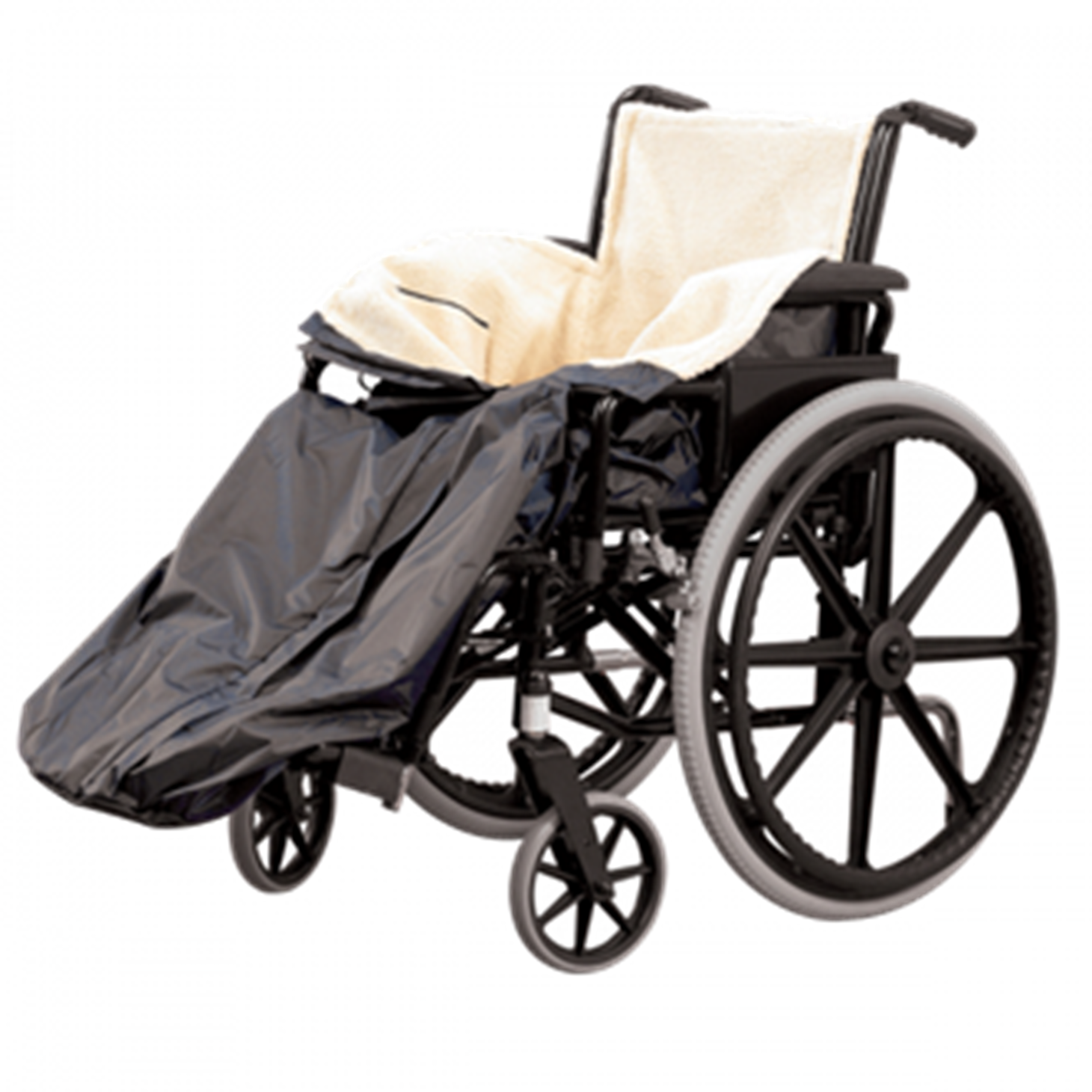
For wheelchair users, our wheelchair-specific clothing range is designed to enhance comfort, fit and weather protection. These garments take seating needs into account, with thoughtful features like easy on/off designs and longer back panels.
Adaptive clothing is about comfort, dignity, independence and real-world functionality. Whether it’s carefully chosen garments or smart dressing aids, the right solutions can make daily living smoother and more enjoyable.
At Better Independent Living we’re here to help you find the products that fit your life, with expert support, dependable delivery and options that truly make a difference. Explore our ranges and start dressing with more comfort and confidence today.
27 Jan 2026
22 Jan 2026
13 Jan 2026