

14 May 2026
For Help and Advice call: 01524 888453
Our blog04 Jun 2026
Living with Parkinson’s disease can make everyday tasks more difficult over time. Simple activities such as getting dressed, preparing meals or moving safely around the home may begin to require more effort and concentration.
The right daily living aids can make a significant difference. They help reduce strain, improve safety and support independence for as long as possible. Many products are designed to make routine tasks easier without changing daily habits completely.
This guide explains some of the most useful daily living aids for people with Parkinson’s disease and how they can help at different stages of the condition.
Parkinson’s disease affects movement, coordination and balance. Symptoms vary from person to person, but common challenges include:
· Tremors
· Muscle stiffness
· Slower movement
· Poor balance
· Reduced grip strength
· Fatigue
· Difficulty standing from seated positions
These symptoms can make daily routines frustrating and physically demanding. Practical mobility and household aids can help reduce these difficulties while improving confidence at home.
Balance problems are common with Parkinson’s disease, particularly when turning, standing up or walking through narrow spaces.
Walking aids provide additional support and help reduce the risk of falls.
Rollators are often helpful for people who need support while walking indoors or outdoors. Many include:
· Lockable brakes
· Built-in seats
· Storage baskets
· Height-adjustable handles
A rollator can also encourage a steadier walking pace and reduce fatigue during longer journeys.
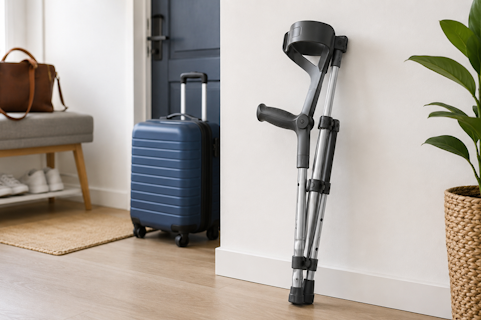
For those with mild balance issues, a walking stick may provide enough support for short distances and daily movement around the home.
Quad walking sticks with four-point bases can offer greater stability than standard designs.
Standing from a chair can become increasingly difficult with Parkinson’s disease due to stiffness and reduced leg strength.
Rise recliner chairs gently lift and tilt forwards to help the user stand safely. They can also reduce strain on the knees, hips and lower back.
Many people find that a rise recliner improves comfort throughout the day while helping them remain independent at home.
Fastening buttons, putting on socks or tying shoelaces may become difficult when hand control and dexterity are affected.
Several simple dressing aids can help make these tasks more manageable.
Button hooks allow clothing to be fastened with less finger movement and grip strength.
Sock aids help users put on socks without bending down excessively, which can improve safety and reduce strain.
These make it easier to put on shoes while standing or sitting comfortably.
Adaptive clothing with Velcro fastenings or elastic waistbands may also help simplify dressing routines.
Preparing food can become challenging due to tremors and reduced hand control.
Specially designed kitchen aids can improve safety and make cooking less tiring.
Useful options include:
· Weighted cutlery for improved control
· Non-slip mats
· Kettle tippers
· Easy-grip utensils
· Two-handled mugs
· Jar and bottle openers
These products are designed to reduce spills, improve grip and support safer eating and drinking.
Bathrooms are one of the highest-risk areas in the home for slips and falls.
The right bathroom aids can improve confidence and make personal care routines safer.
Grab rails provide support when getting in and out of the bath, using the toilet or moving around wet surfaces.
A shower chair allows the user to sit safely while washing, reducing fatigue and lowering the risk of falls.
Raised toilet seats reduce the effort needed to sit down and stand up.
Non-slip bath mats and bath boards can also provide additional stability.
Getting in and out of bed may become more difficult as Parkinson’s symptoms progress.
Bed rails and support handles can provide stability during transfers and repositioning.
Some people also benefit from satin bed sheets or turning cushions, which reduce friction and make movement easier during the night.
Managing medication correctly is extremely important for people living with Parkinson’s disease.
Medication organisers can help prevent missed doses and simplify daily routines.
Options include:
· Weekly pill organisers
· Automatic pill dispensers
· Reminder alarms
· Large-print medication boxes
These aids can be especially useful for individuals managing multiple medications throughout the day.
The best daily living aids depend on the individual’s symptoms, mobility level and home environment.
When choosing products, it is important to consider:
· Ease of use
· Safety
· Comfort
· Stability
· Adjustability
· Future mobility needs
A product that works well during the early stages of Parkinson’s disease may need to be replaced or upgraded later.
Occupational therapists can also provide valuable advice on suitable mobility and daily living aids for specific needs.
Living with Parkinson’s disease presents daily challenges, but the right support can make everyday life safer, easier and more comfortable.
Daily living aids are designed to reduce effort, improve confidence and help people maintain independence for longer. From walking aids and rise recliners to kitchen tools and bathroom safety equipment, small changes can make a meaningful difference at home.
Finding the right products early can help simplify routines and support a better quality of life both now and in the future.
14 May 2026
08 May 2026
04 May 2026